
Secure your retail business with Store Security AI. Our cutting-edge retail theft prevention system uses CCTV analytics for retail & real-time theft detection. Upgrade your loss prevention technology today!

Retail theft presents a multifaceted challenge for businesses today, impacting profitability and operational efficiency. Understanding the various forms this crime takes, the significant financial burdens it imposes, and the complexities of prevention strategies is crucial for safeguarding a retail business.
Retail theft isn’t a monolithic issue; it manifests in several distinct ways. Shoplifting, the most commonly recognized form, involves individuals intentionally concealing merchandise with the intent to avoid payment. This can range from impulsive acts to organized criminal enterprises. Another significant category is internal theft, committed by employees. This can include theft of cash, inventory, or even the misuse of company resources. The motivations behind internal theft are often complex, stemming from financial difficulties, disgruntled attitudes, or opportunities for personal gain.
Beyond these primary categories, other forms of retail theft exist. Organized retail crime (ORC) represents a growing concern, involving coordinated groups that systematically target specific merchandise for resale, often across state lines or online. These groups can cause substantial losses and strain law enforcement resources. Cyber theft, while not directly involving physical store entry, can severely impact retail businesses through fraudulent transactions or the theft of customer data. Furthermore, return fraud is a persistent problem, where customers attempt to return stolen or used merchandise for a refund. This can be difficult to detect and can lead to significant financial losses.
The financial consequences of retail theft are substantial and far-reaching. According to industry data, the average loss due to shoplifting in the United States in 2023 was approximately $3,930 per store. Globally, the estimated cost of retail theft is in the hundreds of billions of dollars annually. These losses aren’t solely limited to the value of the stolen merchandise. Businesses also incur costs associated with loss prevention measures, investigation, insurance premiums, and the impact on employee morale. The cumulative effect of these losses can significantly erode profit margins and hinder business growth.
The rise of e-commerce has further complicated the issue. Online retailers face challenges with third-party fraud, where stolen credit card information is used to make purchases. This necessitates robust security measures to protect customer data and prevent fraudulent transactions. Effective loss prevention strategies are not merely about preventing physical theft; they extend to the digital realm as well.
Implementing effective retail theft prevention strategies is not without its challenges. One primary hurdle is balancing security measures with customer experience. Overly intrusive security can create a negative shopping environment, potentially driving customers away. Finding the right balance requires careful consideration and often a multi-layered approach.
Another challenge lies in the evolving tactics of thieves. Organized retail crime groups are becoming increasingly sophisticated, employing advanced techniques to evade detection. This necessitates continuous adaptation of security measures and proactive collaboration with law enforcement. Furthermore, the increasing reliance on online sales creates new vulnerabilities that require specific attention.
Technology plays a vital role in addressing these challenges. AI-powered video analytics offers valuable capabilities in identifying suspicious behavior and alerting security personnel in real-time. RFID (Radio-Frequency Identification) technology can help track inventory and detect discrepancies. While these technologies offer significant potential, their implementation can be costly and require specialized expertise. For instance, a case study nisa highlighted the effectiveness of AI in reducing shoplifting incidents. Similarly, case study finefare demonstrated how technology can improve inventory accuracy and reduce losses.
Effective prevention also relies on a strong security culture within the organization. Employee training is paramount, equipping staff to recognize and respond to potential theft situations. Implementing clear policies and procedures, coupled with consistent enforcement, can deter both internal and external theft.
Join waitlist for more insights on retail security solutions.
To effectively combat retail theft, businesses must adopt a holistic approach that combines technological solutions, robust policies, and a proactive security culture. Addressing the complexities of modern retail theft requires ongoing vigilance and a commitment to adapting to evolving threats.
Understanding potential weaknesses is the cornerstone of effective store security. A thorough assessment involves identifying areas where a retail business could be susceptible to various threats, ranging from physical theft to cyberattacks. This analysis allows for the implementation of targeted security measures and a proactive approach to risk management.
The first step in analyzing vulnerabilities is a comprehensive physical security audit. This includes examining the store’s layout, entry and exit points, lighting, and surveillance systems. For example, are there blind spots in the store? Are doors and windows equipped with robust locking mechanisms? Is adequate lighting present both inside and outside the premises? A potential vulnerability might be easily accessible loading docks or poorly lit alleys behind the store, creating opportunities for external threats. Similarly, the placement of cash registers and point-of-sale (POS) systems plays a significant role. Are they easily viewable by staff, yet secure from unauthorized access?
Beyond the physical structure, a review of operational procedures is crucial. This encompasses employee training on loss prevention, cash handling protocols, and emergency response plans. Inadequate training can be a significant vulnerability, as staff may not be equipped to identify or respond to suspicious activity. Implementing clear procedures for opening and closing the store, managing inventory, and handling returns can also mitigate risks. A practical example could be a scenario where a lack of consistent cash handling procedures leads to discrepancies in daily totals, potentially indicating theft.
Cybersecurity represents another critical area of vulnerability for retail businesses. With the increasing reliance on digital systems for transactions, inventory management, and customer data, stores are prime targets for cybercriminals. Weaknesses in network security, outdated software, and inadequate data encryption can expose sensitive information to breaches. For instance, a compromised POS system could lead to the theft of customer credit card details, resulting in significant financial and reputational damage. Regular vulnerability scans and penetration testing are essential to identify and address these digital weaknesses.
Furthermore, analyzing vulnerabilities should extend to the protection of intellectual property. This includes safeguarding trade secrets, supplier information, and design details. Physical security measures like secure storage for sensitive documents and digital security measures like access controls and data encryption are vital in this regard. Consider a case study where a retail company experienced a data breach due to a lack of multi-factor authentication on critical systems. The resulting exposure of customer data led to a significant loss of customer trust and substantial financial penalties.
To conduct a robust vulnerability assessment, businesses often employ various methods. These include physical inspections, security audits, employee interviews, and threat modeling exercises. The findings from these assessments should be documented and prioritized based on the level of risk. Addressing the most critical vulnerabilities first ensures that resources are allocated effectively. Many businesses find value in partnering with security consultants who can provide an objective assessment and recommend tailored solutions. A potential solution might involve upgrading surveillance systems with higher resolution cameras and implementing intrusion detection systems.
Ultimately, a comprehensive store security assessment is not a one-time event but an ongoing process. As threats evolve and business operations change, regular assessments are necessary to maintain a strong security posture and protect the business from potential harm. This proactive approach, incorporating both physical and digital security measures, is essential for safeguarding assets, ensuring business continuity, and fostering a safe environment for both employees and customers. Businesses seeking to enhance their security often explore options like analyzing industry best practices, such as those detailed in security frameworks developed by organizations like the National Institute of Standards and Technology (NIST).
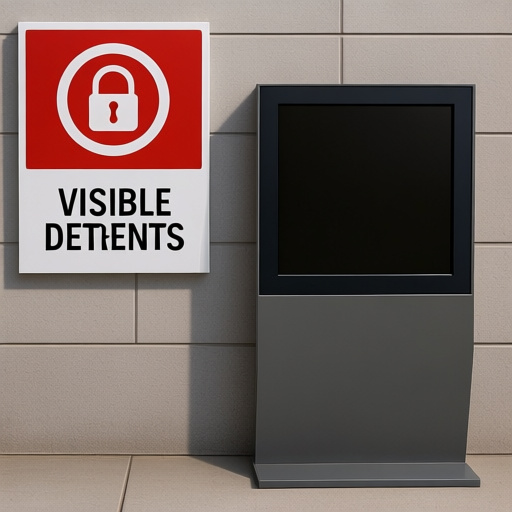
Store security isn’t solely about covert technology; often, a proactive approach involving visible deterrents can significantly reduce criminal activity. Implementing effective security signage and strategically placed displays serves as a powerful first line of defense, communicating to potential offenders that a business is actively safeguarding its assets. This approach leverages psychological principles of risk perception and social proof to discourage theft and other unwanted behaviors.
One of the most straightforward yet impactful methods is utilizing clear and concise security signs. These signs should be prominently displayed throughout the store, both inside and outside. Common examples include warnings about surveillance cameras, notification of security patrols, and explicit statements against shoplifting. While the mere presence of a sign doesn’t guarantee prevention, it increases the perceived risk for potential criminals, making them less likely to attempt illegal actions. According to industry experts, a well-placed “Shoplifters Will Be Prosecuted” sign can deter a significant portion of opportunistic theft. The effectiveness is amplified when the signs are professionally designed and easily legible.
Beyond simple warnings, incorporating security displays can further strengthen deterrence. These can range from strategically positioned mirrors to enhanced shelf layouts. For example, placing mirrors in blind spots allows staff to monitor a wider area, increasing visibility and the likelihood of identifying suspicious activity. Similarly, organizing merchandise in a way that minimizes opportunities for concealment can make shoplifting more difficult and risky. Consider a case study where a retail chain implemented enhanced shelving and clear signage, resulting in a 15% reduction in inventory shrinkage within the first six months.
The placement of these deterrents is crucial for maximizing their impact. Security signs should be visible from multiple angles and in areas where theft is most likely to occur, such as entrances, exits, and near high-value items. Displays should be integrated into the store layout to subtly discourage opportunistic behaviors without creating an unwelcoming atmosphere for legitimate customers. It’s important to consider the store’s specific vulnerabilities and tailor the signage and display choices accordingly.
Furthermore, incorporating visual elements that communicate security measures can be highly effective. This might include displaying logos of security system providers or showcasing information about loss prevention policies. These visual cues reinforce the message that the business takes security seriously. A practical example involves a jewelry store that prominently displays its security system branding, effectively communicating its commitment to protecting valuable merchandise. This not only deters potential thieves but also instills confidence in customers.
Effective implementation of visible deterrents also involves regular maintenance and review. Signs should be checked for damage or fading and replaced as needed. The effectiveness of different deterrents should be periodically assessed, and adjustments made based on observed trends and any reported incidents. Businesses can also consider joining industry organizations like the Retail Integrity and Security Association (RISA) to gain access to best practices and insights on loss prevention strategies. Such resources often highlight successful implementations of visible deterrents.
Visible security measures are not a standalone solution but rather a vital component of a comprehensive store security strategy. When combined with other measures, such as electronic surveillance and employee training, they create a layered approach that significantly enhances protection for retail businesses. The focus on clear communication and the perception of risk are key elements in leveraging security signage and displays for a safer and more secure retail environment.
Retail environments face a persistent challenge: loss. This loss manifests in various forms, including theft, shoplifting, and employee fraud, impacting profitability and overall business health. While traditional security measures like alarm systems offer a deterrent, they often fail to provide crucial evidence or real-time monitoring. Integrating robust CCTV systems represents a significant advancement in retail loss prevention, moving beyond simple recording to proactive surveillance and insightful data analysis.
Modern CCTV systems have evolved dramatically. Gone are the days of static cameras capturing grainy footage. Today’s systems leverage sophisticated technologies like high-resolution cameras, advanced analytics, and cloud-based storage to provide comprehensive coverage and actionable intelligence. These advancements allow retailers to not only record events but also to proactively identify and respond to potential threats. Moreover, advancements in video analytics are transforming how retailers approach security, providing a powerful tool for detecting suspicious behavior.
The true strength of an integrated CCTV system lies in its analytical capabilities. Rather than solely relying on human review of hours of footage, advanced analytics automate the identification of relevant events. This saves valuable time and resources while ensuring that potential incidents are addressed promptly. Here’s a look at some key analytical features:
These functionalities go beyond simple alerts; they provide data that can inform operational improvements. For example, analyzing loitering patterns can help optimize staff deployment and identify areas requiring increased monitoring.
The practical applications of integrating CCTV systems are vast and impactful. Retailers can leverage these systems to:
Implementing an effective CCTV system requires careful planning. Consider these factors:
Retailers have experienced significant returns on investment (ROI) through strategic CCTV implementation. For instance, a case study finefare demonstrated a reduction in internal theft by over 20% after integrating a comprehensive CCTV system with advanced analytics. The ability to quickly review footage and identify patterns led to improved employee accountability and a more secure environment.
Integrating electronic surveillance through CCTV systems is no longer a luxury but a necessity for retailers seeking to protect their assets and ensure the safety of their customers and employees. By combining advanced technology with strategic deployment, retailers can create a proactive and effective loss prevention strategy.
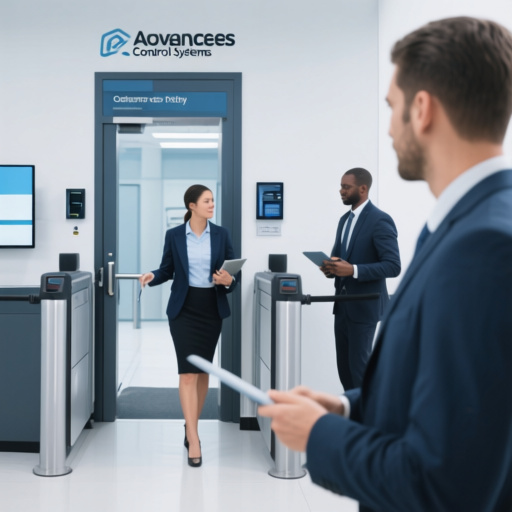
Modern retail businesses face a complex challenge: balancing seamless customer experiences with robust security measures. Effective access control systems are no longer a luxury but a necessity for protecting assets, inventory, and personnel. These advanced systems go far beyond simple key cards, employing a layered approach to manage who can enter and access different areas of a store – both employees and customers. Understanding these systems is crucial for safeguarding a retail operation in today’s environment.
One key element of advanced access control involves integrating multiple authentication methods. Traditional methods like physical keys and magnetic stripe cards are increasingly supplemented, or even replaced, by more sophisticated technologies. Biometric identification, such as fingerprint scanning and facial recognition, offers a higher level of security and convenience. For example, a freelance photographer using the Astra theme launched their portfolio in under an hour, demonstrating the efficiency gains achievable with modern tools – a principle mirrored in streamlining access management. Furthermore, mobile credentials, utilizing smartphone technology, provide a flexible and easily managed access option for both staff and authorized visitors.
The benefits of implementing such systems extend beyond simple security. They offer detailed audit trails, recording every entry and exit, which can be invaluable for investigations and identifying potential security breaches. This data can be easily integrated with other security systems, creating a comprehensive security ecosystem. Consider a scenario where a theft occurs. Detailed logs from the access control system, combined with surveillance footage, can significantly expedite investigations, potentially leading to faster recovery of assets and reduced losses.
For managing employee access, advanced systems allow for granular control. Permissions can be assigned based on roles and responsibilities. For instance, a cashier might have access to the sales floor and cash registers, while a warehouse manager has access to storage areas. This principle of least privilege minimizes the risk of unauthorized actions. Implementing such a system can address challenges highlighted in a case study nisa, demonstrating improved control over employee movement and asset protection. This level of control also simplifies onboarding and offboarding processes, ensuring access is promptly revoked when employees leave the company.
Customer entry management is another critical aspect. While full access for all customers is standard, specific areas might require restricted access. This could include stockrooms, office spaces, or even designated VIP sections. Systems can integrate with visitor management software, allowing for pre-registration of visitors and the issuance of temporary credentials. A system like case study finefare can help retailers balance security with a welcoming environment for shoppers. This approach enhances security without creating barriers to legitimate customer access.
Integrating access control with video surveillance provides an additional layer of security and situational awareness. Alerts can be triggered when unauthorized access attempts are detected, and video footage can be automatically reviewed for suspicious activity. This proactive approach can deter potential threats and provide crucial evidence in the event of a security incident. These integrated solutions are increasingly becoming standard in modern retail security strategies.
Implementing advanced access control systems requires careful planning and consideration. Factors such as the size and layout of the store, the number of employees and visitors, and the specific security risks will influence the choice of technology and the level of integration required. It’s essential to select a system that is scalable and can adapt to the evolving needs of the business.
In conclusion, advanced access control systems are a vital component of a comprehensive retail security strategy. By combining multiple authentication methods, providing granular control, and integrating with other security technologies, these systems help protect assets, manage employee access effectively, and create a safer environment for both employees and customers. A well-designed and implemented system provides a significant return on investment by reducing losses, deterring crime, and enhancing overall operational efficiency.
Electronic Article Surveillance (EAS) technology forms a critical layer in modern store security, acting as a powerful deterrent against shoplifting and a vital tool for loss prevention. At its core, EAS systems utilize radio frequency (RF) or magnetic detacher tags affixed to merchandise and sensors placed at store exits. When an item with an active tag passes through an exit gate that houses a sensor, an alarm is triggered, alerting security personnel. Understanding the nuances of these tags and deactivators is essential for retailers looking to maximize the effectiveness of their security infrastructure.
EAS tags come in various forms, generally categorized as RF tags and AM (Acousto-Magnetic) tags. RF tags are the most common type, employing radio waves to communicate with the exit gate sensors. These tags are typically small and discreet, often embedded within the product packaging or attached directly to the item. AM tags, on the other hand, utilize magnetic fields. They are generally larger and require specific deactivation tools.
The effectiveness of an EAS tag relies on the strength of the signal and the sensitivity of the sensor. Retailers carefully select tag types based on the merchandise they sell, considering factors like value, size, and material. High-value electronics, for instance, often utilize more robust RF tags, while smaller apparel items might use lighter-weight tags.
EAS sensors are strategically positioned at store exits to detect the presence of active tags. These sensors emit a radio frequency or magnetic field. When an item with an active tag passes through this field, the sensor detects the disruption, triggering an alarm. Different types of sensors exist, including dual-frequency RF gates, which are designed to minimize false alarms caused by certain materials, and amplitude modulation (AM) gates, commonly used for high-value items.
Proper sensor calibration and placement are crucial for optimal performance. Factors such as store layout, customer traffic flow, and the presence of metallic objects can impact sensor accuracy. Regular maintenance and testing of EAS sensors are also vital to ensure they are functioning correctly.
While EAS tags are designed to deter theft, legitimate customers need to be able to make purchases without triggering alarms. This is where EAS deactivators come into play. These handheld devices emit a signal that temporarily deactivates the RF or AM tag on an item, allowing the customer to proceed through the exit gate.
Deactivators are typically provided to store employees and, in some cases, can be used by customers under staff supervision. It’s important for retailers to have clear procedures in place for the proper use of deactivators to prevent misuse. Overuse of deactivators can compromise security, while insufficient availability can frustrate customers.
A mid-sized retail chain specializing in sporting goods experienced a significant increase in inventory shrinkage. They implemented an upgraded EAS system, including dual-frequency RF gates and a comprehensive deactivator program for staff. Within the first six months, they observed a 15% reduction in shoplifting incidents. This improvement was attributed to the enhanced deterrence provided by the newer sensors and the streamlined process for legitimate customer purchases. The implementation also led to more efficient staff deployment, focusing security efforts on potential high-risk areas. This demonstrates how strategic deployment of EAS technology, combined with effective operational procedures, can yield tangible results in loss prevention.
EAS technology is increasingly being integrated with Artificial Intelligence (AI) to create more sophisticated and responsive security systems. AI algorithms can analyze data from EAS sensors, such as alarm triggers and deactivator usage, to identify patterns and anomalies that may indicate suspicious activity. This allows for proactive intervention by security personnel, potentially preventing theft before it occurs. Furthermore, AI can help optimize sensor placement and adjust sensitivity levels based on real-time data, further enhancing the system’s effectiveness.
The combination of EAS and AI represents a significant advancement in retail security, providing a more comprehensive and intelligent approach to loss prevention. Retailers considering upgrading their security infrastructure should explore the potential benefits of this integrated approach to gain a stronger defense against theft and protect their bottom line. Utilizing sophisticated EAS technology, coupled with intelligent analytics, offers a robust solution for modern retail security challenges.

Store security AI leverages the power of data analytics to go beyond traditional surveillance methods, offering a proactive approach to loss prevention. Instead of simply recording events, these systems analyze patterns in customer behavior, inventory movement, and environmental factors to identify potential theft before it occurs. This shift allows retailers to move from reactive measures to predictive strategies, significantly reducing financial losses.
One core application lies in analyzing video footage. Advanced algorithms can track customer movement, identify suspicious loitering, and detect unusual interactions with merchandise. For instance, a customer spending an extended period in a high-value electronics section without purchasing anything could be flagged for further review. This isn’t about profiling individuals; it’s about identifying statistically unusual behavioral indicators associated with shoplifting. Furthermore, AI can analyze point-of-sale (POS) data alongside video to pinpoint discrepancies between scanned items and those actually purchased. Consider a scenario where a large number of expensive items are being scanned but not paid for – this triggers an immediate alert.
The effectiveness of these systems is enhanced by integrating data from various sources. Point-of-sale systems provide detailed transaction history, while inventory management systems track stock levels and identify potential mismatches. Environmental sensors, such as those monitoring door activity and alarm systems, contribute further information. Combining these datasets allows for a more holistic view of potential risks. For example, a sudden increase in out-of-stock notifications combined with unusual foot traffic near a specific shelf could signal organized retail crime. A case study involving NISA, a retail analytics company, demonstrated a significant reduction in inventory shrinkage for a major clothing retailer after implementing an AI-powered loss prevention system that analyzed both video and POS data. Their system identified patterns of internal theft and external shoplifting with a high degree of accuracy.
Addressing theft patterns effectively requires understanding the nuances of criminal behavior. AI algorithms can learn and adapt to evolving tactics, becoming more adept at identifying new and sophisticated methods of theft over time. This continuous learning is crucial, as criminals constantly seek to circumvent security measures. A key aspect is anomaly detection: the system identifies deviations from established norms. For example, a sudden surge in returns for a particular product could indicate it was acquired through fraudulent means. This proactive identification allows retailers to take preventative measures, such as adjusting staffing levels in vulnerable areas or enhancing surveillance.
Retailers can also utilize data analytics to optimize store layout and product placement, deterring theft. By analyzing historical data, retailers can identify areas prone to shoplifting and adjust the store design accordingly. Strategically placing high-value items in well-lit, high-traffic areas with clear lines of sight can act as a deterrent. Loss prevention teams can also use data insights to identify vulnerabilities in their current security protocols and implement necessary improvements. The use of FineFare technology exemplifies this, providing retailers with actionable insights into customer behavior to optimize store layouts and reduce losses.
Implementing store security AI isn’t a one-size-fits-all solution. The specific applications and the level of sophistication will depend on factors such as store size, product type, and risk profile. However, the underlying principle remains the same: leveraging data to proactively identify and address theft patterns, ultimately safeguarding the retailer’s bottom line. Companies looking to explore this technology can join waitlist programs offered by various AI security providers to stay informed about upcoming deployments and potential partnerships. By embracing this data-driven approach, retailers can create a safer environment for both customers and employees, while minimizing financial losses due to theft.
Implementing a robust store security AI system is just the first step. To truly maximize its effectiveness and ensure a lasting impact on reducing losses, retailers must adhere to best practices and establish a comprehensive ongoing maintenance plan. This section explores key strategies for optimizing and maintaining these systems for sustained success.
Regular System Updates and Software Management
The technological landscape is constantly evolving, and retail theft prevention systems are no exception. Therefore, consistent software updates are crucial. These updates often include enhancements to AI algorithms, improved detection capabilities, and patches for security vulnerabilities. Neglecting these updates leaves the system susceptible to new threats and diminishes its performance over time. Retailers should establish a schedule for automatic or manual software checks and installations. Furthermore, regularly reviewing and updating the system’s configuration settings ensures it aligns with the store’s current layout, product offerings, and risk profile. For instance, a recent case study finefare highlighted significant improvements in loss prevention after implementing regular software updates that refined the AI’s ability to differentiate between legitimate customer behavior and potential theft.
Data Analysis and Performance Monitoring
A powerful theft prevention system generates a wealth of data. Harnessing this data through consistent analysis is paramount to identifying trends, evaluating system performance, and pinpointing areas for improvement. Retailers should monitor key performance indicators (KPIs) such as the number of alerts generated, the accuracy of those alerts (reducing false positives), and the conversion rate of identified incidents into recovered merchandise. Analyzing historical data can reveal patterns in theft attempts – for example, specific times of day, days of the week, or product categories that are most frequently targeted. This information allows for proactive adjustments to security protocols and staff deployment. Many systems offer reporting dashboards; leveraging these tools provides valuable insights for informed decision-making.
Staff Training and System Familiarization
Technology alone is not a complete solution. Staff training plays a vital role in complementing and maximizing the effectiveness of store security AI systems. Employees need to understand how the system works, what types of alerts to expect, and the appropriate response protocols. Training should go beyond simply explaining the system’s features; it should focus on recognizing suspicious behavior and understanding how to safely and effectively intervene when necessary. A well-trained staff can act as an additional layer of security, providing valuable context to the AI’s alerts and potentially deterring theft before it occurs. This proactive approach is often emphasized in best practices guides from recognized security organizations.
Hardware Maintenance and Calibration
The hardware components of a retail theft prevention system, such as cameras, sensors, and network infrastructure, require regular maintenance to ensure optimal performance. This includes routine checks to verify that cameras are properly positioned and focused, sensors are functioning correctly, and network connections are stable. Cameras should be cleaned regularly to maintain image quality, and any physical damage should be addressed promptly. Periodic calibration of sensors may be necessary to ensure accurate detection. A proactive hardware maintenance schedule minimizes the risk of system downtime and ensures continuous protection.
Compliance and Data Privacy
Retailers must operate within legal and ethical boundaries when implementing and maintaining theft prevention systems. This includes adhering to data privacy regulations such as GDPR and CCPA, ensuring that data collection and storage practices are transparent and compliant. It is crucial to inform customers about the use of surveillance technology and to protect their personal information from unauthorized access. Establishing clear policies and procedures regarding data handling is essential for maintaining public trust and avoiding legal complications.
Regular System Audits
Periodic audits of the entire theft prevention system are essential to ensure its ongoing effectiveness. These audits should assess the system’s performance against established KPIs, evaluate the accuracy of AI algorithms, and identify any vulnerabilities. External security experts can conduct independent audits to provide an objective assessment of the system’s strengths and weaknesses. The findings of these audits should inform ongoing improvements and adjustments to the system’s configuration and operational procedures.
Implementing a strong retail theft prevention system requires more than just initial installation. By prioritizing regular updates, data analysis, staff training, hardware maintenance, and compliance, retailers can create a robust and adaptable security posture that effectively mitigates loss and protects their business. A layered approach, combining technology with human expertise, is fundamental to achieving lasting success in the fight against retail theft.
Retail theft encompasses various forms, including shoplifting, internal theft by employees, organized retail crime (ORC), cyber theft, and return fraud.
The financial impact of retail theft is significant, averaging around $3,930 per store in the U.S. annually, and reaching hundreds of billions globally.
Preventing retail theft is complex due to its evolving nature, including the rise of organized crime, cyber fraud, and return fraud. It requires multifaceted strategies and investments in security measures.

Interested in stopping more theft? Get started for free and see how much your losing due to theft.
